
Welcome to The Vault Militaria
Welcome to
The Vault Militaria
Authentic pieces. Timeless stories. Exceptional service.
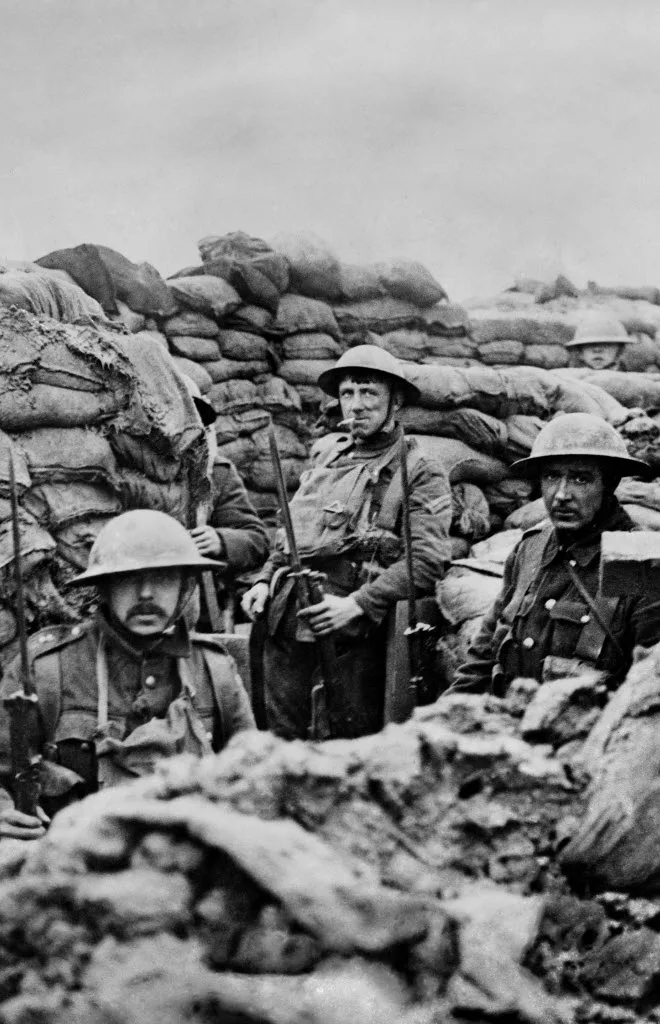
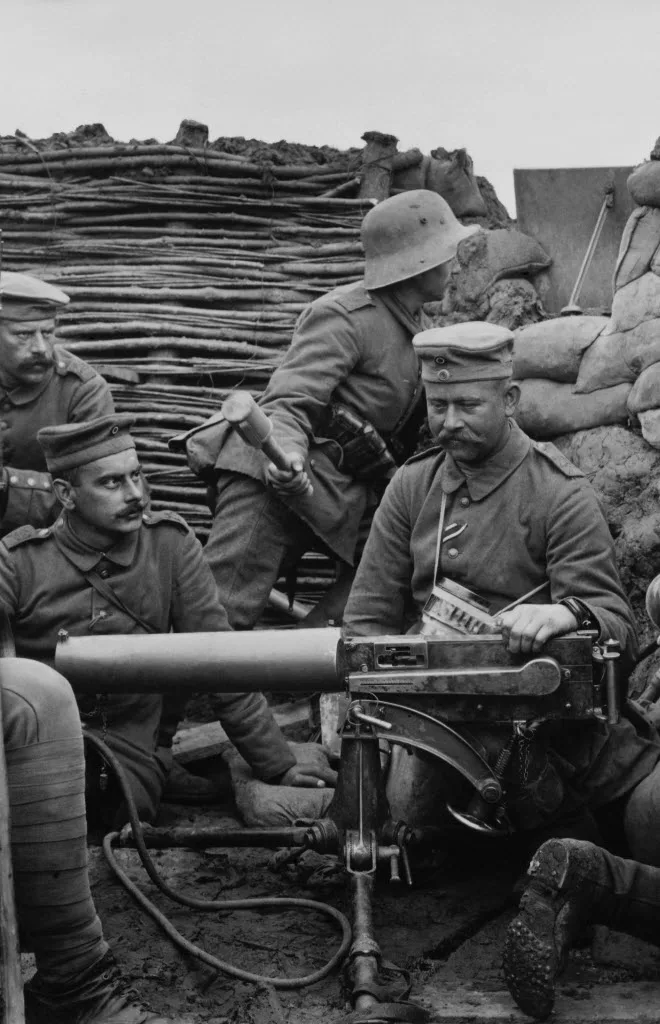
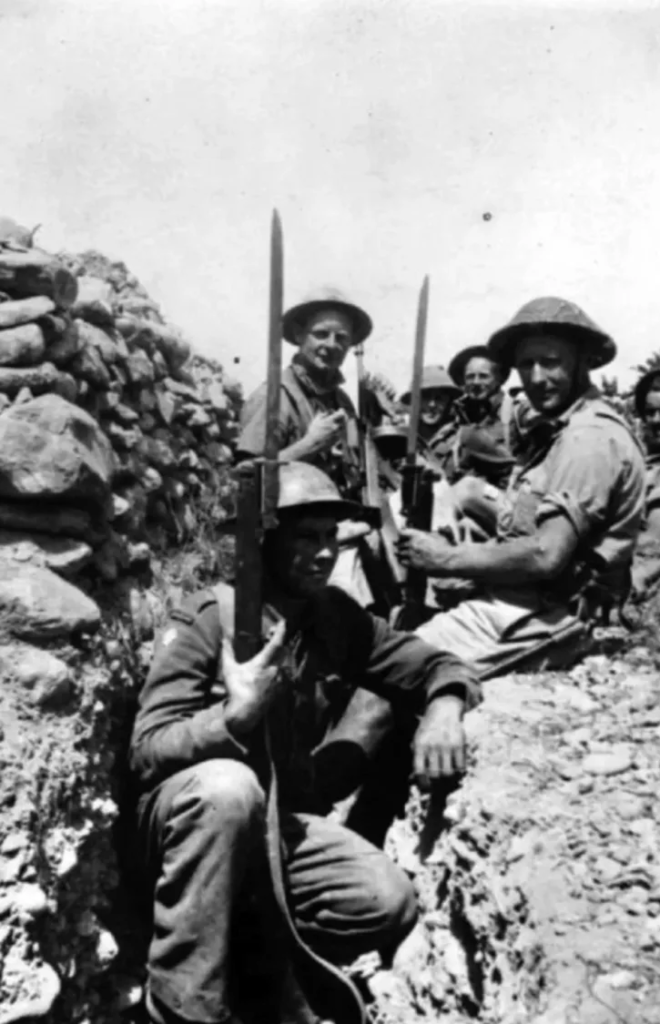
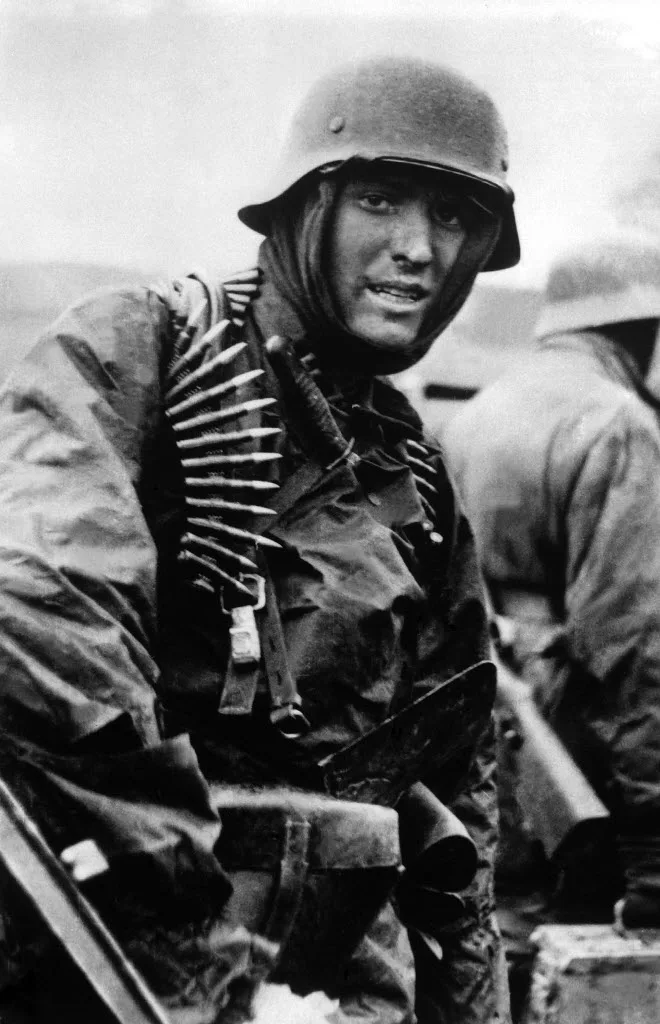
The Vault Militaria is the UK’s newest destination for authentic wartime memorabilia and collectables. Specialising in rare and hard-to-find items from World War I and World War II, we offer history enthusiasts and collectors a carefully curated selection of genuine artefacts.

new items every week
Rare finds
Our team of experts meticulously sources, authenticates, and catalogues each piece, ensuring that you receive only the finest quality items with verified provenance. And we’re adding more and more items on a regular basis.
From battle-worn uniforms and medals to vintage weapons, field equipment, and personal effects, The Vault Militaria brings you closer to the tangible remnants of wartime history.
knowledge & experience
We buy & sell
The founders of The Vault Militaria bring over 50 years of combined collecting experience to the table. They have a pair of keen eyes for the unusual together with an extensive knowledge of wartime collectables to ensure that every item offered is both authentic and exceptional.
With decades spent honing their expertise, they’ve developed an unparalleled ability to source and validate rare military artifacts, making The Vault Militaria a trusted name in the field.
Contact Mark on 07471 058445 or Andrew on 07944 609319
Contact Mark on 07471 058445
or Andrew on 07944 609319
Browse our latest items
-
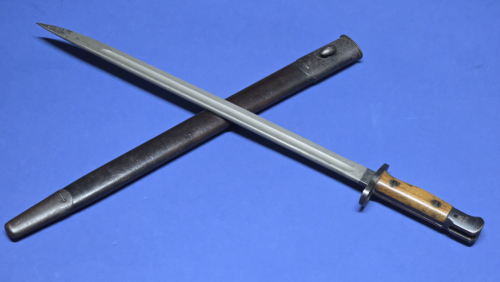
Here we have a very fine example of the British Pattern 1907 bayonet, dated 1917 and manufactured by Chapman. Chapman is a comparatively scarce maker when set against more commonly encountered producers such as Wilkinson, Sanderson, and Enfield, making this a particularly desirable example for the collector.
This bayonet is further enhanced by Officer Training Corps markings to the pommel, adding an interesting and attractive training and educational service history.
Blade
The blade on this example is superb. It retains a crisp profile with a clean fuller and shows only light darkening towards the tip, as visible in the photographs. The blade retains its original factory edge profile and shows no signs of abuse, heavy wear, or post-war re-sharpening, making this an excellent blade overall.
The ricasso is stamped with the crowned 1907 pattern designation, over 4 / 17, indicating manufacture in April 1917, with the scarce maker Chapman stamped beneath. The reverse ricasso displays the expected British inspection stamps, including individual inspector marks and an “X” indicating that the blade passed the bend test. These marking's are consistent with British wartime acceptance and quality control procedures.
Hilt & Grips
The wooden grips are in excellent condition, showing honest service wear with a slightly darker tone to one side, as often seen. The grip screws remain correct and undisturbed, and the locking button mechanism functions as it should.
The pommel is stamped O.T.C, denoting Officer Training Corps issue. Beneath this is A.M.F over 185, commonly attributed to Ampleforth College Officer Training Corps, with the number representing a rack or inventory designation. These markings add notable character and historical interest to the piece.
Scabbard
The bayonet is accompanied by its correct Pattern 1907 leather scabbard. The leather is a rich brown colour and remains supple and well preserved. Faint markings are present to the rear, including a lightly visible 17, consistent with the bayonet’s 1917 production period, though these markings are now very weak.
Both the upper and lower metal fittings retain their original staples, and the bayonet fits the scabbard extremely well, with a snug, secure fit.
Overall
A very attractive and historically interesting British Pattern 1907 bayonet by a scarce maker, featuring excellent blade condition, clear markings, and desirable Officer Training Corps provenance. A strong collectors example.
Historical Note
The Pattern 1907 bayonet was adopted for use with the Short Magazine Lee-Enfield rifle and became the standard British bayonet of the First World War. Produced in vast numbers by multiple makers to meet wartime demand, examples by less common manufacturers such as Chapman are increasingly sought after today. Bayonets issued to Officer Training Corps units were used to train future officers and often saw prolonged service within educational and military training establishments.
We ship to the USA, Europe, and most worldwide destinations.
All items are carefully packed for safe transit. -
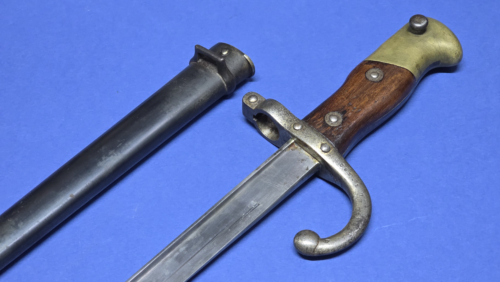
A very fine and well-preserved example of the French Model 1874 “Gras” bayonet, complete with its original and matching scabbard. This is a particularly attractive piece, standing out for its excellent overall condition and the unusually high level of original finish retained on the scabbard. An honest, untouched example with strong collector appeal.
Blade
The T-section épée blade is in excellent condition, remaining bright with a clean surface and a well-defined point. There is no evidence of abuse or heavy sharpening, with only light age-related surface marks consistent with careful use and storage. The spine is crisply marked with Mre d’Armes de St Étienne and dated 1877, both of which remain clear and legible. The ricasso bears multiple French inspection poinçons, including circular inspection marks, all consistent with correct factory acceptance.
Hilt & Grips
The bayonet retains its correct brass pommel with the original push-button locking mechanism, which remains fully functional. The wooden grip scales are in very good condition, displaying an attractive natural brown tone and secured with original steel rivets. The steel crossguard features the characteristic forward-curved quillon with ball finial and is marked with matching serial numbers and additional French inspection poinçons.
Scabbard
The rolled steel scabbard is an outstanding feature of this example. It retains a very high percentage of its original blued finish along its length, far superior to what is typically encountered. There are no dents, and the form remains crisp throughout. The throat is serial-numbered to match the bayonet, and the ball finial bears a clear inspection stamp, confirming this as a correct and original pairing.
Overall
A high-quality French Model 1874 Gras bayonet with a bright blade, strong markings, excellent grips, and a particularly well-preserved matching scabbard. A desirable example that would sit very well in any collection of 19th-century European bayonets.
We ship to the USA, Europe, and most worldwide destinations.
All items are securely packed for safe transit.
-
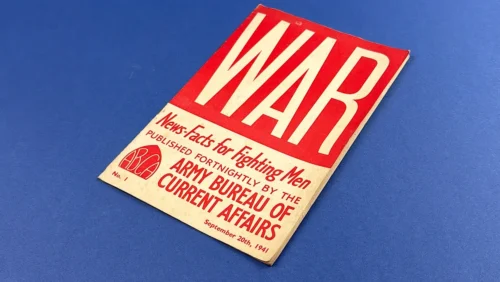
This is an original WW2 British Home Front propaganda pamphlet, titled WAR – News-Facts for Fighting Men, Issue No.1, published on 20 September 1941 by the Army Bureau of Current Affairs. Produced during a critical phase of the war, this pamphlet represents the very first issue of a new official information initiative aimed at British servicemen. Issued at a time when Britain was still fighting without direct American involvement, publications like this were designed to explain the purpose, progress, and wider meaning of the war in clear and accessible terms. Rather than frontline reporting, WAR functioned as an educational and morale-building tool, helping to counter rumour, confusion, and enemy propaganda. Although military-issued, the content and intent place this firmly within the wider British Home Front information and morale effort, reflecting how the state sought to manage understanding, unity, and resolve across wartime society. Early issues such as this are especially significant, as they mark the starting point of the Army Bureau of Current Affairs’ influential role in wartime education. The pamphlet retains its original paper format and bold graphic design, with the distinctive ABCA logo to both front and rear. Issue No.1 examples are notably scarcer than later wartime printings, making this an appealing piece of early-war printed ephemera for collectors of Home Front material, wartime propaganda, or British social history. The condition is very good overall. There is light age toning and minor handling wear consistent with wartime paper, but no major tears or losses. The text remains clear and legible throughout, and the pamphlet presents well for its age, especially given its original intended use as a disposable information handout. A wonderful example in good condition and the fact that it’s issue No. 1 cannot be understated.
-
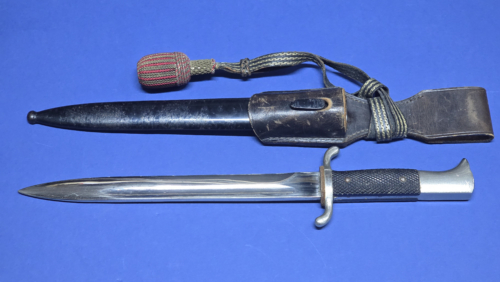
A German Fire Service (Feuerwehr) dress parade bayonet dating to the 1930s and carried during the World War II period. This example is a pure dress bayonet and does not have the facility to mount onto a rifle, as intended strictly for ceremonial and parade use. A particularly desirable feature of this piece is that it remains complete with its correct frog and Fire Service knot, making it a very attractive and display-ready example.
Blade
The blade is unmaker marked, as many Fire Service dress bayonets were. It remains unsharpened with a good tip and is in excellent overall condition. While not near mint, it presents extremely well and shows only light age-related marks. The bayonet retains its original buffer pad.
Hilt & Grips
Fitted with black chequered grips, both sides are in excellent condition and secured by domed rivets. The bayonet features the distinctive Fire Service crossguard, which immediately identifies it as a Feuerwehr pattern. This is a shorter-length dress bayonet, a size commonly encountered on Fire Service examples.
Scabbard
The black-painted steel scabbard retains the majority of its original finish. There is some honest paint loss to the front and reverse, consistent with age and handling, but the overall appearance remains very good. The bayonet slides into the scabbard perfectly and displays extremely well.
Frog
The brown leather frog is correct for this pattern and remains in excellent condition, with all stitching intact and the leather holding a strong, well-defined shape.
Overall
A very honest and well-preserved Fire Service dress bayonet, complete with its correct accessories. The combination of condition, correct knot, and frog makes this a particularly appealing example for display or collection.
Historical Note
During the World War II period, German Fire Service (Feuerwehr) personnel wore dress bayonets as part of their ceremonial and parade uniform. These bayonets were not intended for combat use but were worn during official functions, parades, and formal appearances, often privately purchased by the individual.
We ship to the USA, Europe, and most worldwide destinations.
All items are securely packed for safe transit. -
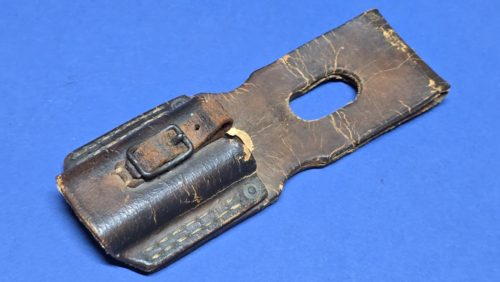
WWII Japanese Type 30 Bayonet Frog – Late-War Economy Production
£135.00 SKU: 0368MA genuine late World War II Japanese Type 30 bayonet frog, produced during the latter stages of the war when material shortages led to simplified, economy construction. This example displays all the correct late-war features while remaining complete, intact, and fully functional.
Construction
This frog is fitted with the correct square steel buckle, consistent with late-war manufacture. Internally, it retains canvas reinforcement at the throat and toe, a wartime measure used to stiffen the frog while reducing leather usage during periods of shortage.
Leather & Stitching
The leather is very stiff, as typically encountered on late-war Japanese equipment, and shows natural age-related crazing and cracking throughout. The double vertical stitching to both sides remains intact, with no separation or repairs noted. Overall structure remains strong and sound.
Buckle, Tab & Rivets
The steel buckle is original and securely fitted. Notably, the leather retaining tab at the buckle is fully present, intact, and functional — a genuine bonus, as this area is often found split or broken on late-war examples. All rivets are present, tight, and undisturbed.
Overall
A good, honest late-war Type 30 frog showing correct economy construction and genuine service wear. Complete, structurally sound, and increasingly difficult to find with the buckle tab intact. An excellent match for a late-war Type 30 bayonet.
Historical Note
As Japan faced severe material shortages during the final years of the Second World War, leather quality declined and simplified construction methods were adopted. The use of canvas reinforcement and steel fittings on late-war Type 30 frogs reflects these conditions, resulting in utilitarian but functional equipment produced for continued frontline service.
We ship to the USA, Europe, and most worldwide destinations.
All items are securely packed for safe transit. -
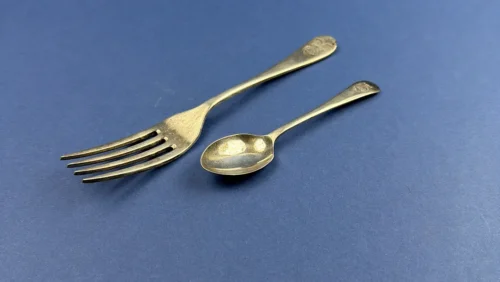
WW2 NAAFI EPNS Fork and Teaspoon Set – British Services Canteen Cutlery
£12.00 SKU: 0155AThis is an original WW2-era British NAAFI cutlery grouping, consisting of one fork and one teaspoon, both bearing clear National Army, Navy and Air Force Institutes markings. Items of this type were produced for use in NAAFI-operated canteens, messes, and refreshment facilities serving British and Allied personnel both in the UK and overseas. Both pieces have the NAAFI emblem on the handles, they’re nice and clear too. The fork has a Viners Sheffield marking, along with an EPNS marking (electroplated nickel silver). The teaspoon has some different markings, a 2028 number, and what appears to be hallmarks as well. All markings are clearly displayed in the photos. Cutlery such as this formed part of the everyday material culture of the British Home Front and service life, used in NAAFI cafés, hostels, rest rooms, and canteens that played a vital role in morale and welfare throughout the war. These utilitarian objects are increasingly sought after as tangible reminders of the ordinary routines that underpinned Britain’s wartime experience. Both pieces show clear signs of age and use consistent with wartime service, including surface wear, softening to the detail of the stamps, and a dull patina throughout. There are no breaks or repairs, and the markings remain legible. A great piece of WW2 and NAAFI history. -
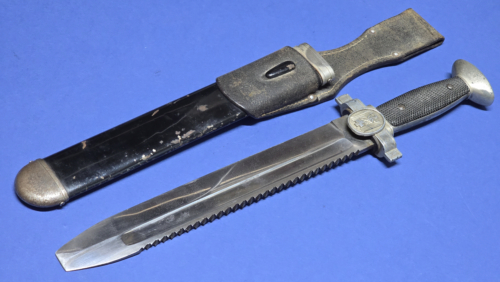
German Red Cross (DRK) Dress Hewer with Sawback Blade
£625.00 SKU: 0366MA genuine German Red Cross (Deutsches Rotes Kreuz) dress hewer of Third Reich period, offered in collectible honest condition. These hewers are not common, though not classed as ultra-rare, and remain a distinctive and unusual organisational sidearm. This example presents well overall and represents a more accessible piece for collectors looking to add a DRK hewer without the premium attached to near-mint examples.
Blade
The blade remains bright overall, retaining good surface finish with some staining present in places, consistent with age and careful storage. It features the characteristic sawback spine and the correct square ended tip, a defining feature of this pattern and a clear indicator of its dress rather than practical intent.
To the rear ricasso, beneath the langet, is the correct “Ges. gesch.” stamp, denoting Gesetzlich geschützt (legally protected design), a period marking rather than a maker’s mark. The buffer pad is present and intact.Hilt & Grips
The hilt and crossguard are strong, attractive features on these dress daggers. The front grip plate is the correct black chequered grip, secured by two screw bolts, with a smooth black rear grip plate. The crossguard and langets are particularly well defined, displaying the Red Cross eagle clutching the swastika-centred cross. These langets are often encountered damaged or partially broken due to contact with the scabbard throat; on this example they are complete and undamaged, which is a definite plus.
Scabbard
The steel scabbard retains approximately 90% of its original black painted finish. Both throat screws and lower scabbard screws are present and correct. There is no structural damage, though there are a few small paint losses and a light indentation to the rear, along with some minor surface rusting toward the lower section. Overall, the scabbard remains very sound and displays well.
Frog
The hewer is fitted with a period leather K98 bayonet frog. While not purpose-made for this hewer, the frog shows clear long term wear and moulding consistent with having been fitted to this scabbard for many years. The outline of the rear langet is visibly impressed into the leather, and there is also a distinct wear line at the top of the frog where the heel of the scabbard has rubbed over time.
It is extremely difficult to fit a standard K98 frog to this pattern today without risking damage to the stitching, strongly suggesting this fitting occurred a long time ago, probably during the wartime period when leather frogs were new, more supple, and higher in oil content, allowing gradual moulding to a wider scabbard.Overall
A good untouched example, offered in honest, collectible condition . Not mint, but far from poor — a solid, original example with strong character, correct features, and an interesting long-term frog pairing.
Historical Note
The German Red Cross operated as a national organisation during the Third Reich, closely aligned with state structures while retaining its humanitarian role. Alongside daggers, a small number of dress hewers were worn by certain personnel, reflecting traditional German organisational sidearms rather than combat equipment. While German Red Cross daggers are known to have been produced by Robert Klaas and PDL (Paul D. Lüneschloss), hewer production appears to have been far less standardised, with protected designs and limited surviving examples.
We ship to the USA, Europe, and most worldwide destinations.
All items are carefully packed for safe transit. -
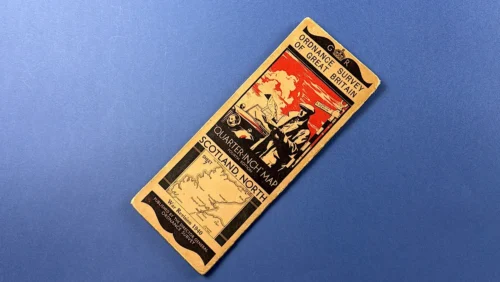
This original WW2 Ordnance Survey quarter-inch map covers Scotland, North and is a War Revision edition dated 1940. Produced during the early stages of the Second World War, maps of this type were widely issued for use across Britain in Home Front planning, civil defence, and general wartime navigation. Quarter-inch Ordnance Survey maps were designed to provide a wide-area overview of terrain, transport routes, coastal features, and key settlements, making them particularly useful to Home Guard units, Civil Defence organisations, and other Home Front services. Covering the northern Highlands and coastal regions of Scotland, this example represents an authentic piece of British WW2 Home Front mapping and wartime ephemera, retaining the distinctive illustrated cover artwork associated with the period. The condition of this map is rather good, there are some tiny holes where the map folds up but, smaller than others we have seen. The cover is in good condition with no serious damage or marks (see photos). The colours on this map are nice and bright and all the text is perfectly readable. When fully unfolded this map measures around 30 x 33 inches.