
Welcome to The Vault Militaria
Welcome to
The Vault Militaria
Authentic pieces. Timeless stories. Exceptional service.
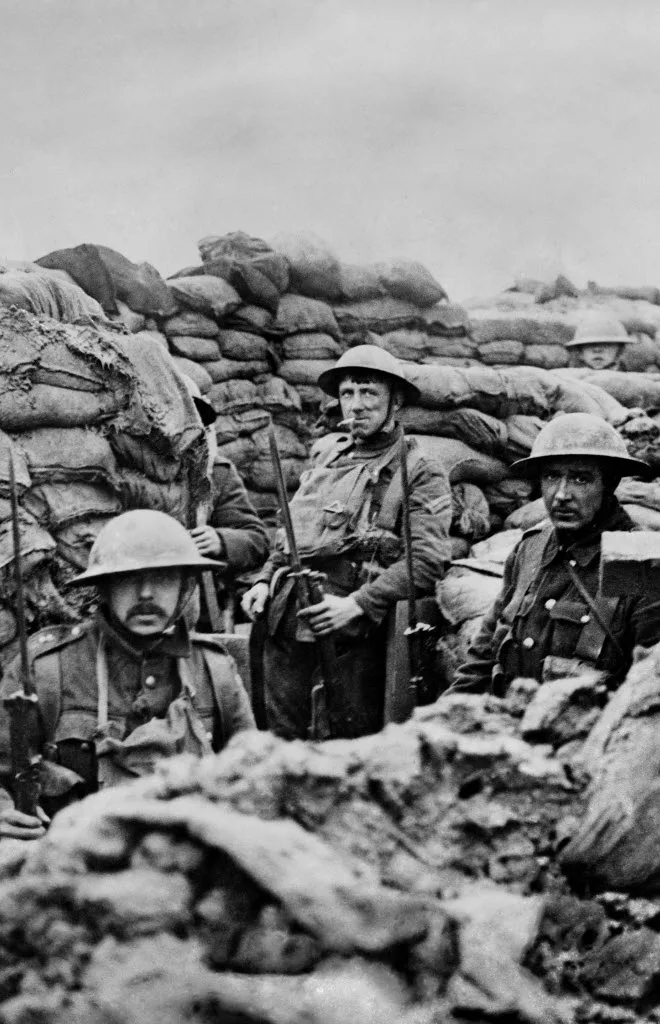
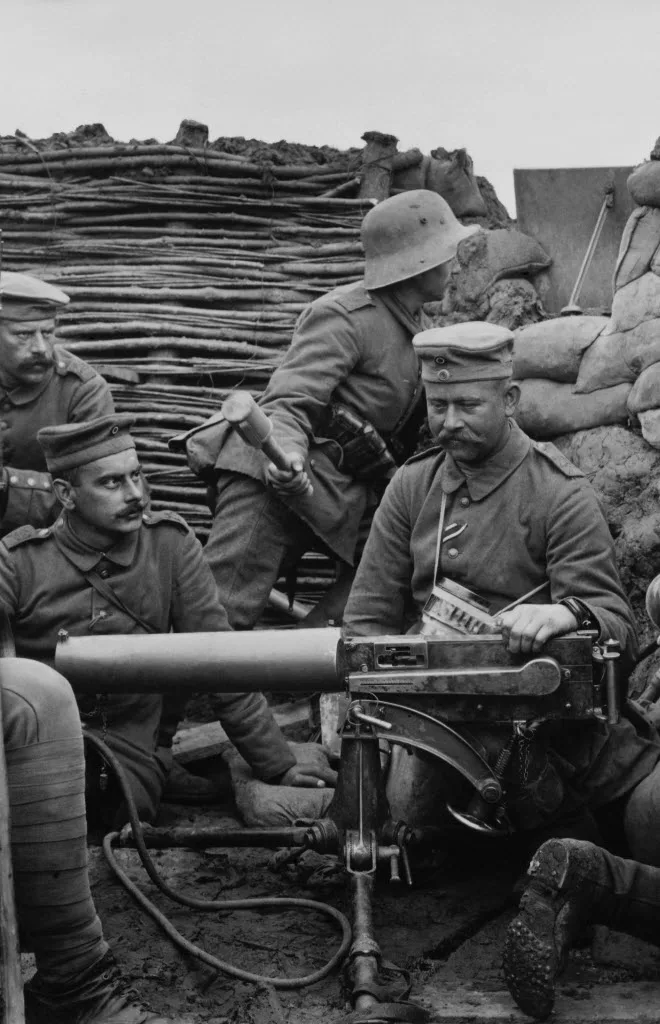
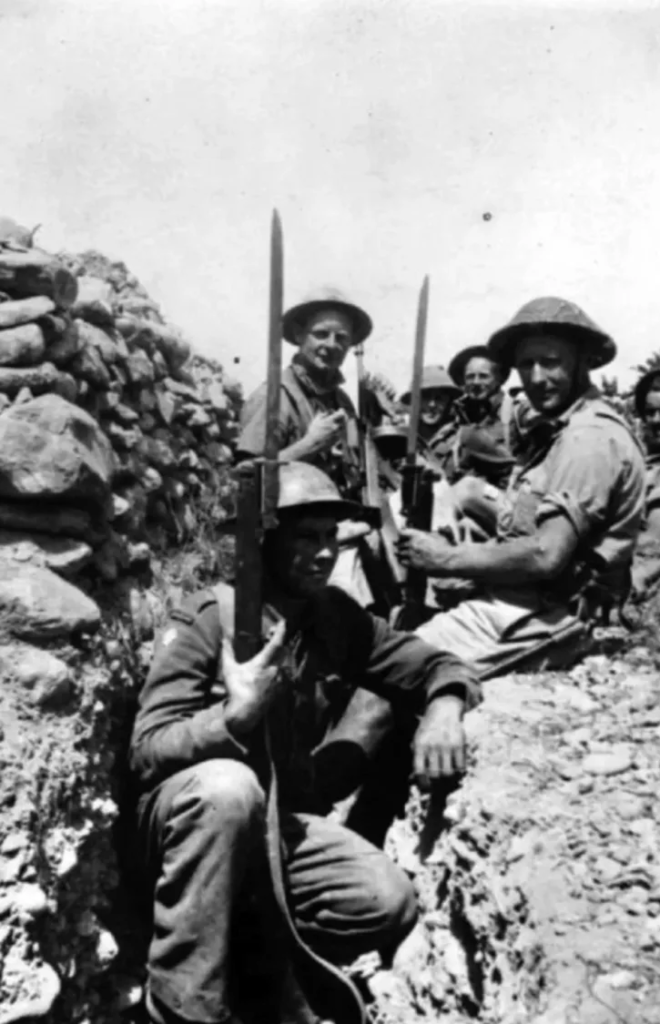
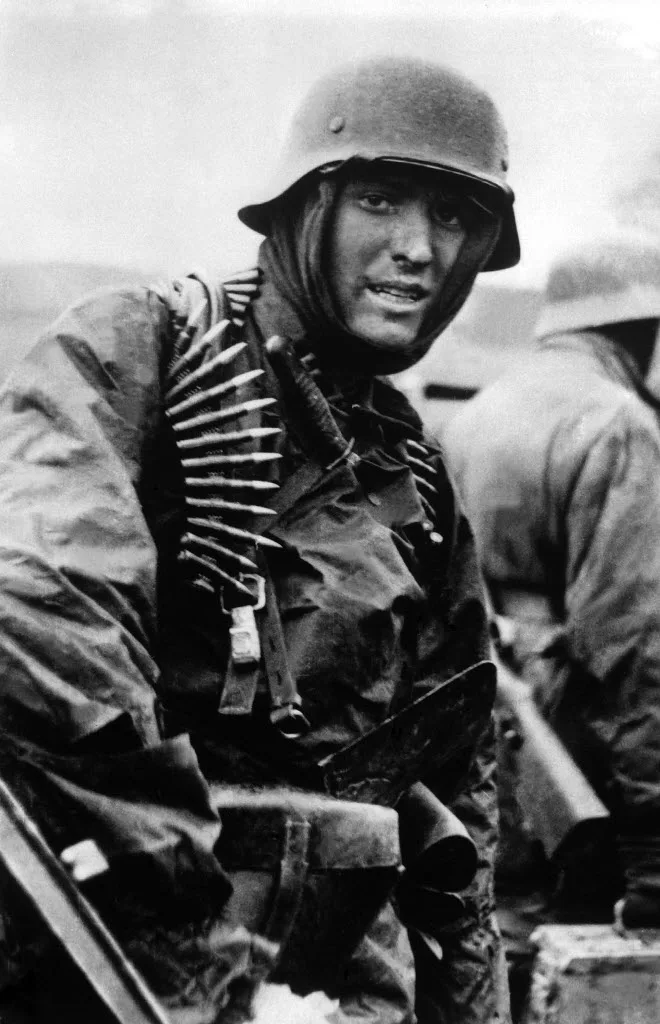
The Vault Militaria is the UK’s newest destination for authentic wartime memorabilia and collectables. Specialising in rare and hard-to-find items from World War I and World War II, we offer history enthusiasts and collectors a carefully curated selection of genuine artefacts.

new items every week
Rare finds
Our team of experts meticulously sources, authenticates, and catalogues each piece, ensuring that you receive only the finest quality items with verified provenance. And we’re adding more and more items on a regular basis.
From battle-worn uniforms and medals to vintage weapons, field equipment, and personal effects, The Vault Militaria brings you closer to the tangible remnants of wartime history.
knowledge & experience
We buy & sell
The founders of The Vault Militaria bring over 50 years of combined collecting experience to the table. They have a pair of keen eyes for the unusual together with an extensive knowledge of wartime collectables to ensure that every item offered is both authentic and exceptional.
With decades spent honing their expertise, they’ve developed an unparalleled ability to source and validate rare military artifacts, making The Vault Militaria a trusted name in the field.
Contact Mark on 07471 058445 or Andrew on 07944 609319
Contact Mark on 07471 058445
or Andrew on 07944 609319
Browse our latest items
-
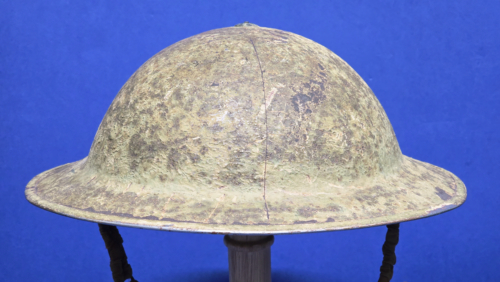
WW2 South African Mk II Steel Helmet with Mk I Liner – Camouflage
£270.00 SKU: 0353MA genuine WW2 South African–produced steel helmet, Mk II pattern, retaining its early Mk I liner and finished in period camouflage. This is a great looking helmet, with plenty of character. The tones, and wear all point to honest service. Everything about this example quietly supports its South African identity, from the liner and fittings to the distinctive details of the shell.
Liner
Fitted with the correct South African Mk I liner, size 6¾, complete with the central felt pad and original eight-spacer system. The liner carries a very faint, but just about identifiable Jäger Rand maker mark — the primary wartime manufacturer of South African helmet liners.
The liner retains the correct South African assembly method, with the central fixing bolt positioned on the inside beneath the pad and the threaded washer to the exterior.Chinstrap & Fittings
Retaining the correct South African-pattern Mk II chinstrap hooks of the standard square-edged (unchamfered) type. The chinstrap is secured with original split-rivet fixings, with the outer heads sitting flush to the shell — a small but important detail that matches documented South African wartime production and confirms this is not a later alteration.
Shell
A South African Mk II pattern shell finished in period camouflage, showing honest service wear throughout. The helmet retains the characteristic three holes to the rear brim, commonly associated with South African production and often linked to the attachment of a neck veil or sun curtain, though their exact purpose remains debated.
No maker’s stamp or date is visible on the shell, likely obscured by the wartime camouflage.Also present on the crown is a scratched personalisation, clearly applied in period - the rusting beneath the marks confirms it was done during the helmet's service life. The inscription appears to have been intended as either a name or unit marking, though, I can not confidently work out what it says.
Overall
A textbook South African camouflage WWII helmet that ticks every box — correct shell, with correct liner and fittings. An interesting piece that would look great on display.
Recommended Reference
For anyone who enjoys going a little deeper, this helmet is very well supported by the excellent reference book:
Daniele Piselli — MKII Helmets: Technical Notes and Military Uses
A superb guide with clear explanations, high-quality photographs, and detailed close-ups of original examples. Particularly useful for understanding South African production features, liner types, and chinstrap fittings, and the same reference used in researching this helmet.
We sell to the USA, Europe, and most worldwide destinations.
All items are securely packed for safe transit.
-
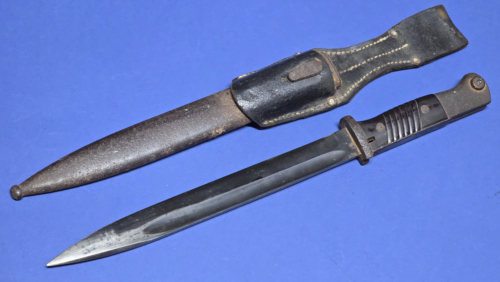
WW2 German K98 Bayonet & Frog – E. Pack & Sohn – 1939 – Excellent Blade
£190.00 SKU: 0352MLet’s be honest from the outset — this is not a piece that’s going to win any awards for overall condition. Externally it shows heavy age and long-term storage wear, and we make no attempt to dress it up as something it isn’t. But then you draw the blade, and the story changes. What reveals itself is an unexpectedly fine blade that feels like a real sleeper, clearly protected for many years inside the scabbard.
Pieces like this have always appealed to me, as I believe they tell two histories. The first is their life in wartime service, and the second is the quieter story that followed — decades of storage, movement, and survival until they reach us today. In many ways, that second life adds just as much character as the first. Not a condition-led example, but a bayonet with strong originality and genuine story appeal.
Blade
Unsharpened blade retaining an exceptional finish for a wartime example, showing near-mint condition with a clean edge and strong point. Dated 1939 to the spine, with the maker mark, E. Pack & Sohn to the reverse ricasso, and the serial number 3353 to the front. The contrast between the preserved blade and the heavily aged exterior strongly suggests prolonged storage within the scabbard.
Hilt & Grips
Original Bakelite grips in very good, honest condition, remaining tight and free from damage. Steel fittings show heavy age oxidation throughout, including the crossguard and pommel. Two Waffenamt acceptance stamps are present to the hilt, with a further Waffenamt stamp to the rifle-retaining catch. Despite the overall external wear, the locking mechanism remains fully functional. Grip bolts are original and present, now well set with age.
Scabbard
Original steel scabbard showing extensive surface oxidation from long-term storage. No dents or structural damage noted. Due to the heavy age-related surface oxidation, any rear scabbard markings — such as serial number, maker, or date — are now extremely difficult to read. There is a strong possibility that matching numbers remain present beneath the surface; however, these have been intentionally left undisturbed, as no attempt has been made to remove rust or clean the metal purely to reveal stamps.
Frog
Original leather frog present and fitted to the scabbard, now hardened with age and showing clear evidence of having remained in place for many years. Stitching remains approximately 95% intact, with honest service and storage wear throughout. Maker mark and date to the rear are present but heavily softened by age; the date is believed to read 1941. All four rivets remain in place.
Overall
A heavily aged but completely original K98 bayonet set that offers a genuinely pleasant surprise — externally rugged, yet revealing a remarkably clean blade when drawn from the scabbard. A fine example of how time can quietly protect as much as it weathers, giving this piece real character and collector appeal.
Historical Note
The K98 bayonet was standard issue for the German Wehrmacht throughout WWII, produced by a wide range of manufacturers including E. Pack & Sohn. Early-war example sets such as this, showing prolonged storage with minimal blade wear, provide a fascinating insight into how wartime equipment survived long after active service ended.
We sell to the USA, Europe, and most worldwide destinations.
All items are securely packed for safe transit.
-
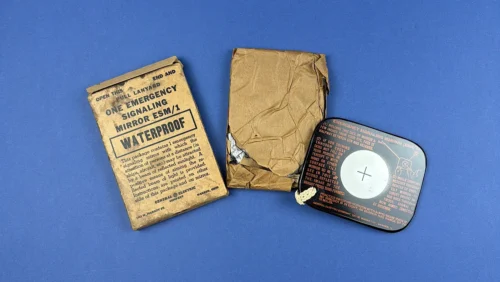
WW2 U.S. Emergency Signaling Mirror ESM/1 with Waterproof Packet
£58.00 SKU: 0146AThis is an original WW2 U.S. military Emergency Signaling Mirror ESM/1, complete with its original waterproof issue packet and lanyard. The ESM/1 was standard survival equipment issued to U.S. Army Air Forces and naval personnel, most commonly included in aircrew survival kits and life raft packs for use following ditching at sea or forced landings. The mirror features the correct central aiming cross, a key design element that allowed sunlight to be accurately directed toward aircraft or rescue vessels over considerable distances. When used correctly, the ESM/1 could produce a highly visible reflected signal far more effective than flares in daylight conditions. Instructions for correct use are printed directly on the reverse of the mirror, with additional instructions printed on the original paper packet. The survival packet is clearly marked “One Emergency Signaling Mirror ESM/1 – Waterproof” and attributes manufacture to General Electric, a major U.S. wartime contractor responsible for producing a wide range of signalling and survival equipment during WWII. The square mirror format with lanyard is characteristic of wartime production and differs from later post-war plastic-bodied signalling mirrors. The mirror remains intact and reflective, with the aiming cross clearly visible. The lanyard is present and original. The paper packet shows expected age-related wear, creasing, and handling marks consistent with wartime issue, but remains legible and complete. Overall, this is a scarce and desirable example of original WW2 U.S. survival equipment, particularly appealing due to the presence of the original packet, which is seldom found surviving with the mirror. What’s remarkable about this piece is that the actual mirror itself is in very good condition. All too often pieces like this end up delaminating through the years but as the pictures show, this one hasn’t. In-fact, the condition overall for the mirror is very good, and also included is the original waterproof packet as stated earlier – there were usually discarded or are in such bad condition people don’t display them. The box itself has some wear and dark marks on it (see photos) but the flap works perfectly. -
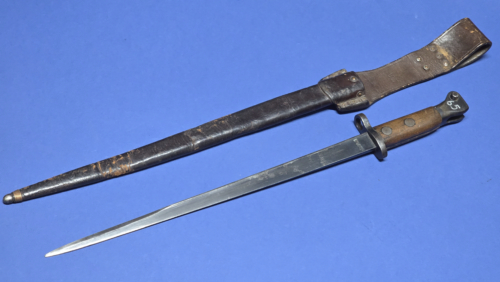
Dutch M1895 Infantry T-Back Sword Bayonet – HEMBRUG
£240.00 SKU: 0351MOriginal Dutch M1895 Infantry T-Back sword bayonet by HEMBRUG, offered here with its original scabbard. This example shows honest overall wear consistent with service, while retaining strong originality throughout. A solid, un-messed-with piece that presents very well.
Blade
Single-edge T-back blade with clear HEMBRUG maker mark to the ricasso. A Crown/Z inspection mark is present at the rear of the blade heel, with a further Crown/Z proof also visible on the back of the blade. The blade retains the majority of its original blued finish, with no evidence of post war polishing.
Hilt & Grips
Original wooden grips in good, honest condition, showing expected service wear. The locking mechanism is present and functioning as it should. A silver-painted “65” is visible on the pommel, most likely a rack or inventory number. The crossguard carries a serial number that reads “5954,” along with an additional “B” mark.
Scabbard
Original scabbard displaying clear period wear, with heavier use evident toward the lower portion near the tip. The rear of the scabbard carries several stamped numbers, appearing to include more than one serial or inventory marking. The front shows a stamped “CW". The retaining strap that would normally secure the bayonet at the hilt is no longer present, consistent with age and service use. All rivets at the upper scabbard fitting remain intact and original.
Overall
A genuine and honest example of a Dutch M1895 bayonet by HEMBRUG, showing good untouched condition across blade, hilt, and scabbard. The combination of clear maker mark, multiple inspection stamps, rack numbering, makes this a collector-worthy piece.
Historical Note
The Dutch M1895 bayonet was introduced for use with the Mannlicher M1895 rifle and is distinguished by its long T-section blade, a design typical of late 19th- and early 20th-century infantry sword bayonets. Production by HEMBRUG began in 1904 at the Artillerie-Inrichtingen in Zaandam, marking the Netherlands’ move from reliance on foreign contractors to domestic military manufacture. These bayonets remained the standard long infantry pattern of the Dutch Army in the years leading up to and during the First World War.
We sell to the USA, Europe, and most worldwide destinations.
All items are securely packed for safe transit.
-
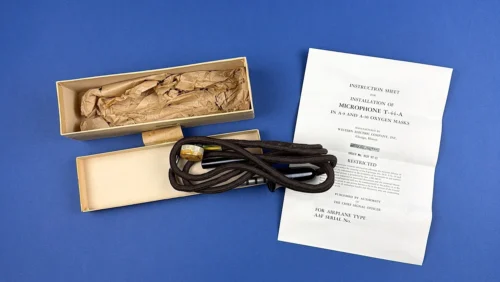
This is an original WW2 U.S. Army Air Forces T-44-A throat microphone, complete with its original issue box dated 8 May 1943 and accompanying printed instruction sheet. The T-44-A was designed for use with the A-9 and A-10 oxygen masks, forming part of the standard high-altitude communication equipment used by USAAF aircrew during the mid-war period. Unlike conventional boom microphones, the T-44-A is a contact (throat) microphone, transmitting speech by detecting vibrations from the wearer’s throat rather than airborne sound. This design allowed for clear communication in the extremely noisy and cold conditions encountered at altitude, while also eliminating interference from oxygen flow within the mask. As such, it was particularly well suited to bomber and transport aircraft operations. The presence of the original wartime box and instruction sheet significantly enhances the historical and collector value of this example. The box, dated 8 May 1943, firmly places this microphone within the peak production period of the USAAF air war, and surviving boxed examples with correct paperwork are increasingly scarce. The instruction sheet provides valuable contemporary insight into the intended use and handling of the microphone and is rarely encountered alongside the unit itself. The condition of this piece is particularly noteworthy. The microphone and cable itself is in very good condition indeed, the jack isn’t even scratched and there are no pulls on the braided cord. The instructions are for lack of a better word, mint. The box itself even has the inspection seal and stamp on it in two places. The photos speak for themselves. Overall, this is a well-documented and complete wartime USAAF communications component, ideal for an aviation, signals, or oxygen equipment-focused collection.
-
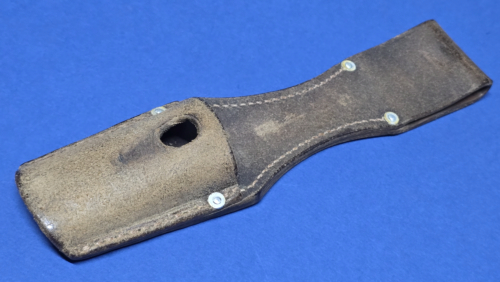
WW2 Luftwaffe LBA – Accepted K98 Bayonet Frog – Henseler & Co – ULM – 1939
£120.00 SKU: 0348MA genuine early-war German K98 bayonet frog, produced in 1939 and accepted for Luftwaffe procurement. This example is manufactured by Henseler & Co. of Ulm and carries the correct LBA (Luftwaffen-Bekleidungsamt) acceptance stamp to the reverse, confirming official Luftwaffe supply rather than later attribution by colour alone. Finished in the characteristic brown leather often encountered on early Luftwaffe-procured equipment.
Overall
This frog remains in very good structural condition, retaining its full original stitching with all four rivets present and secure. The leather shows honest service wear with a naturally aged surface, but no cracking, rot, or structural weakness. The body retains its correct shape with no collapse. The maker, date, and LBA acceptance are faint but clearly legible in hand, under light. An untouched period example.
Historical Note
Early Luftwaffe procurement of personal equipment was handled through the Luftwaffen-Bekleidungsamt (LBA), with acceptance stamps applied to confirm issue through Luftwaffe supply channels. Brown leather K98 frogs such as this were commonly encountered with Luftwaffe units in the pre-war and early war period, though it is the LBA acceptance — not colour alone — that confirms service attribution.
For further reference on German bayonet frogs and patterns, I strongly recommended,
Roy Williams – A Collector’s Guide to German Bayonet Frogs, 1825–1945.
We sell to the USA, Europe, and most worldwide destinations.
All items are securely packed for safe transit.
-
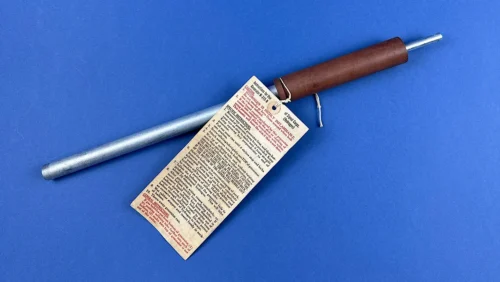
This is an original WW2 U.S. Army Signal Corps hydrogen balloon inflating tube, issued for use with the M-315-B chemical hydrogen generator. The tube formed part of a field communication system used to inflate small signal and observation balloons, allowing aerials or signalling devices to be raised quickly in operational environments without the need for compressed gas cylinders. The inflating tube was a critical component of the M-315-B system, acting as both the gas delivery tube and the insulated handle used while the generator was active in water. Its design allowed hydrogen gas produced by the chemical reaction within the generator can to be safely directed into the balloon while keeping the operator clear of the reacting container. This example is particularly noteworthy for retaining its original instruction tag, still attached. The tag provides detailed wartime operating instructions and safety warnings, including guidance on balloon attachment, generator handling, and hydrogen hazards. Such tags are most commonly encountered loose or missing entirely, making surviving tubes with original tags uncommon. As a standalone component, this piece represents a seldom-seen element of U.S. Signal Corps balloon equipment and offers strong appeal to collectors of WW2 communications gear, technical military equipment, and documented Signal Corps artefacts. As stated, it has the original tag which was often around the generator can itself. The handle has no scratches, dings or dents and impressively the tube itself is also in good condition, minor wear and surface scratches only. While we don’t have the right components to check the threading on the end, it appears to be undamaged as you can see in the photos. These pieces are very scarce to find by themselves, and even more tricky to find in this condition, often discarded or lost once separated from the disposable generator can, making surviving examples particularly hard to find.
-
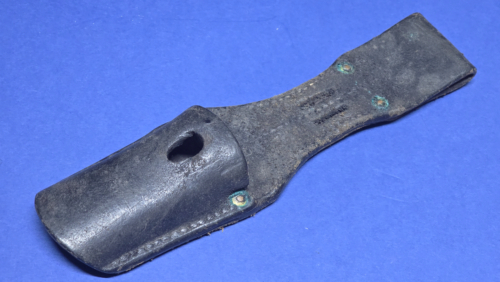
WW2 German K98 Bayonet Leather Frog
£75.00 SKU: 0346MOriginal WWII German K98 bayonet frog. A well-used but honest example that shows genuine service wear while remaining structurally sound throughout. This is not a mint frog, but it is a solid, period piece that would still improve the presentation of a good K98 bayonet.
Leather
The leather remains firm and retains a good overall shape. There is clear wear to the rear face, consistent with service use, but no structural failure. All stitching is present, intact, and secure. The front face, particularly around the scabbard lug slot, remains in very good condition and presents well — this being the most visible area when mounted.
Rivets & Hardware
Fitted with four original brass rivets, all intact and tight. The rivets display a natural green verdigris patina, which is a positive sign of age and long-term originality. No signs of replacement or later interference.
Stud Slot
The scabbard lug slot to the front is clean, well-defined, and shows minimal distortion. This area remains in excellent condition.
Overall
A decent, service-worn WWII K98 frog with honest wear and good structural integrity. Not a collector-grade mint example, but a genuine wartime frog that would sit well with a correct bayonet.
Recommended Reference
For collectors wishing to study German bayonet frogs in greater detail, I highly recommend:Roy Williams – A Collector’s Guide to German Bayonet Belt Frogs 1825–1945An excellent reference with clear photographs and detailed information covering variations, construction, and period examples.
We sell to the USA, Europe, and most worldwide destinations.
All items are securely packed for safe transit.