Welcome to The Vault Militaria
Welcome to
The Vault Militaria
Authentic pieces. Timeless stories. Exceptional service.
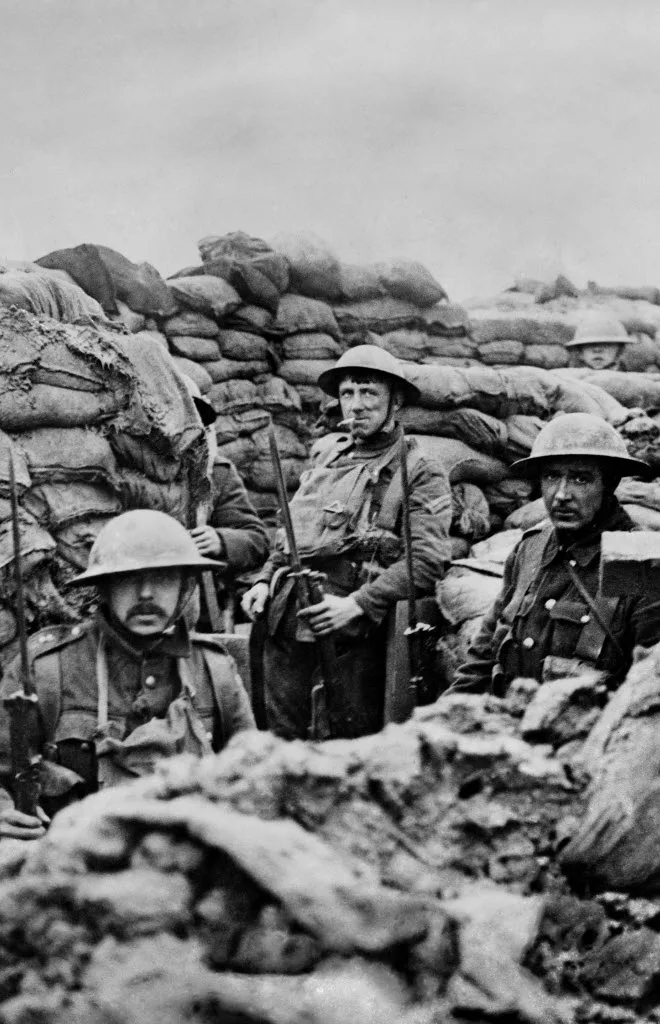
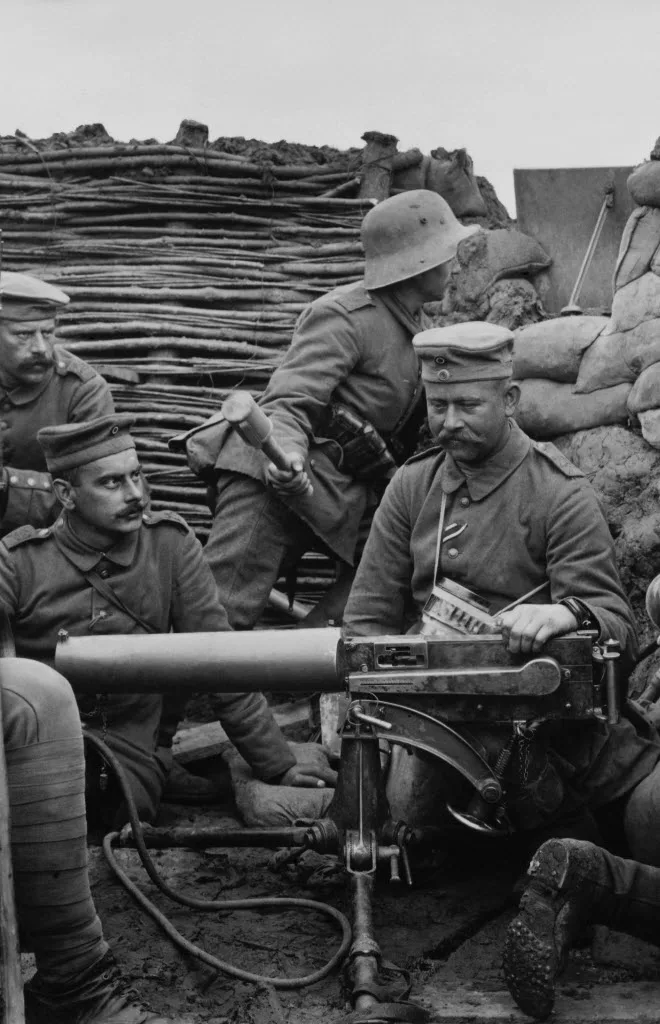
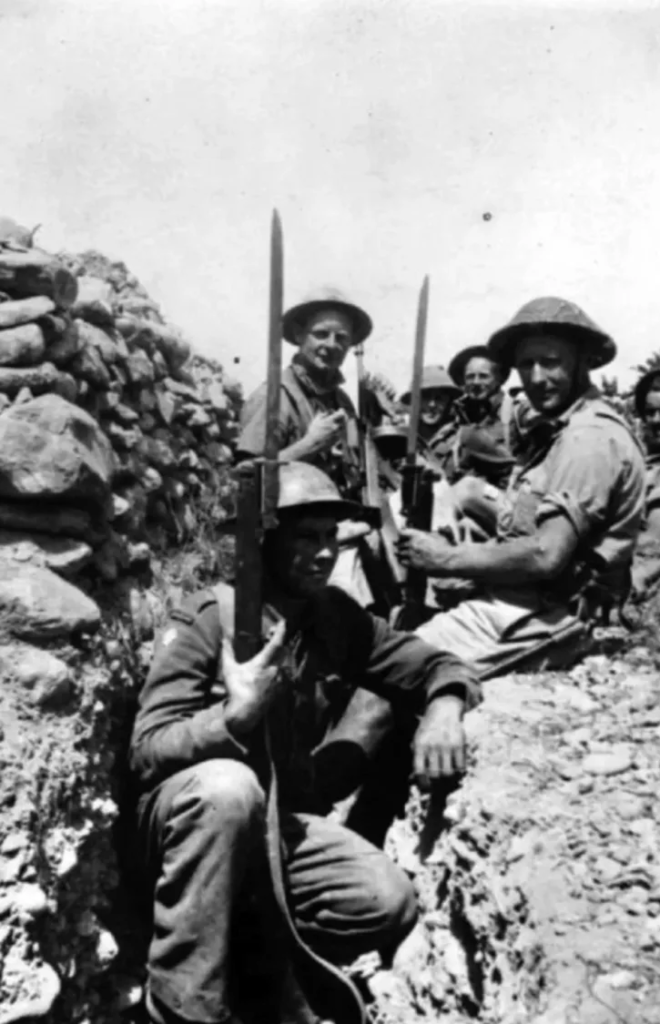
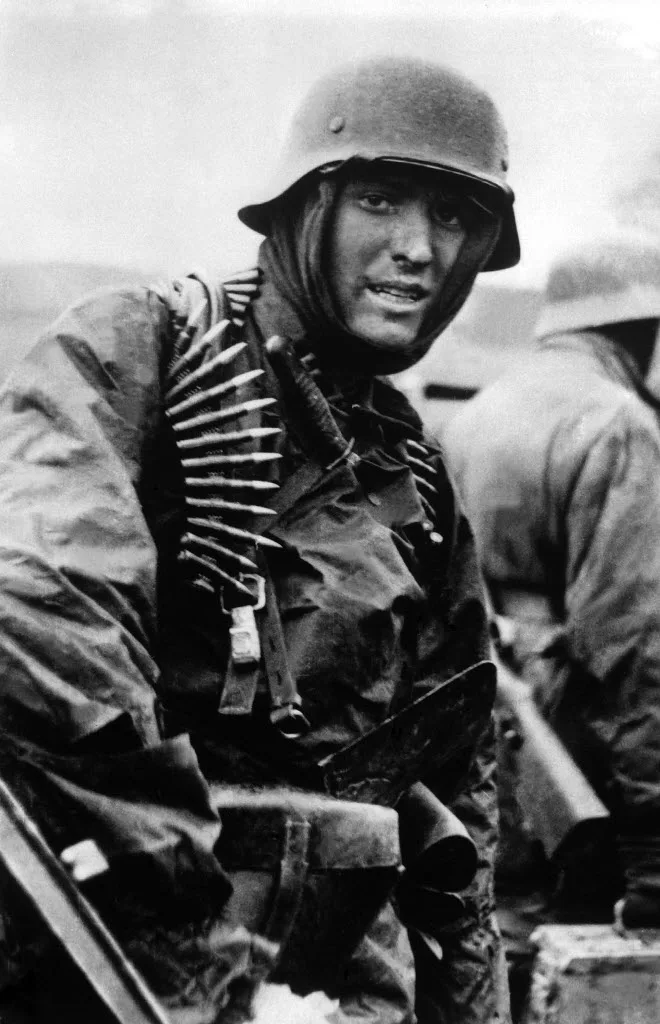
The Vault Militaria is the UK’s newest destination for authentic wartime memorabilia and collectables. Specialising in rare and hard-to-find items from World War I and World War II, we offer history enthusiasts and collectors a carefully curated selection of genuine artefacts.

new items every week
Rare finds
Our team of experts meticulously sources, authenticates, and catalogues each piece, ensuring that you receive only the finest quality items with verified provenance. And we’re adding more and more items on a regular basis.
From battle-worn uniforms and medals to vintage weapons, field equipment, and personal effects, The Vault Militaria brings you closer to the tangible remnants of wartime history.
knowledge & experience
We buy & sell
The founders of The Vault Militaria bring over 50 years of combined collecting experience to the table. They have a pair of keen eyes for the unusual together with an extensive knowledge of wartime collectables to ensure that every item offered is both authentic and exceptional.
With decades spent honing their expertise, they’ve developed an unparalleled ability to source and validate rare military artifacts, making The Vault Militaria a trusted name in the field.
Contact Mark on 07471 058445 or Andrew on 07944 609319
Contact Mark on 07471 058445
or Andrew on 07944 609319
Browse our latest items
-
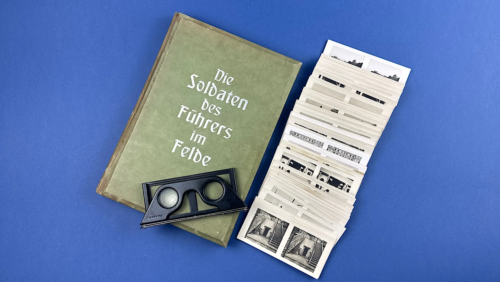
Die Soldaten des Führers im Felde, which roughly translates to “The Soldiers of the Führer in the Field”, is a Third Reich–era German propaganda book produced during the war years. It was intended to present German soldiers as heroic, disciplined, and loyal to Hitler, fitting squarely into the genre of morale-boosting and image-building publications distributed to soldiers, their families, and the wider civilian population. This example carries an approval / registration date of January 1940 (see photographs) and retains all 100 original 3D photographs, along with the original folding 3D viewer. Beyond portraying German soldiers as physically fit, heroic, disciplined, and loyal, the book also serves to normalise war for the German population. It was not intended solely for soldiers, but equally for families at home and younger audiences. War is depicted as organised, clean, and routine. Notably, enemy casualties and suffering are absent; death is abstracted and destruction sanitised. Even weapons are presented primarily as technical instruments rather than as tools of brutal combat. These 3D photo books are, in our opinion, one of the best ways to gain a real sense of the “mood” of the period. Viewing the photographs as intended, using the 3D format, creates a level of immersion that goes beyond what is conveyed through standard photography or documentary film. At the time of listing, complete examples of this title are seldom available through UK-based dealers, with many surviving copies found incomplete or lacking original accessories. Condition-wise, the book has survived well. All 100 photographs are present and none have been folded or dog-eared. The original folding 3D viewer is present; however, one lens is missing and the remaining lens is blurred. This is reflected in the price and does not prevent the photographs from being viewed. The book retains its original cover, which shows fair wear consistent with age and use. Internally, the pages are in very good condition, with a number of non-3D photographs throughout, including an image of Adolf Hitler himself.
-
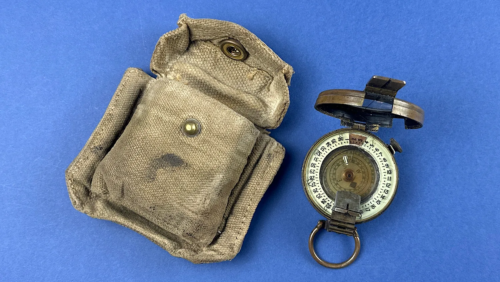
This original WW2 British Army Mk III prismatic compass is a genuine wartime example dated 1941 and manufactured by T. G. Co. Ltd of London, a recognised War Office contractor for precision navigation instruments. The Mk III pattern was the standard British Army service compass of the early and mid-war period, widely issued to infantry, engineers and training units, and played a vital role in navigation, map reading and field instruction throughout the Home Front during Britain’s wartime mobilisation. The compass retains its correct brass body with concentric strengthening rings, prismatic sighting system and original enamel degree ring, all consistent with wartime Mk III production. The rear of the casing is clearly marked with the Broad Arrow ownership stamp, the maker’s London marking, and the 1941 date, firmly placing this piece within the critical early-war period. The compass shows the honest signs of service use expected from an original wartime instrument, with natural patination and wear that reflect genuine period handling rather than later refurbishment. Accompanying the compass is its original wartime webbing pouch, correct for Mk II and Mk III prismatic compasses. Constructed from heavy khaki cotton webbing with period-correct brass fittings and press-stud closure, the pouch displays appropriate age, wear and staining consistent with Home Front service. The compass fits correctly within the pouch, forming a well-matched and authentic set as encountered during the Second World War. Together, this compass and pouch form an excellent WW2 British navigation set, representative of the equipment issued to British forces during training and domestic service. A strong, honest example with clear markings and correct components, it would make a fine addition to any British Army, navigation or Home Front militaria collection. There is some staining on the front of the pouch, but the press stud works exactly as it should. Although it is a tight fit, the compass sits correctly inside the pouch and the flap closes securely. There is a small dent to the front of the pouch button, which is very common for this type of press stud, especially considering how firmly it must be pushed to close. The compass itself is in good condition, un-cleaned and in perfect working order. The glass is intact and the “spirit liquid”, as it was often referred to in period manuals, has not leaked or stained over the years. This is a very desirable piece, and the photographs speak for themselves when it comes to the quality and appeal of this genuine wartime set.
-
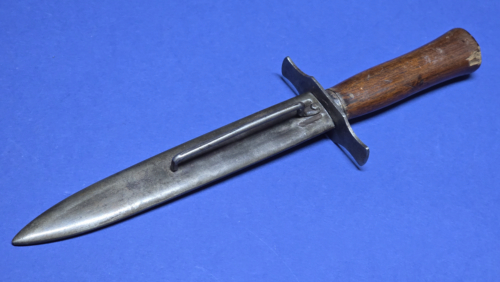
French WW1 Trench Fighting Knife – S.G.C.O. Marked – M1916
£320.00 SKU: 0334MFrench WWI-period trench fighting knife of the M1916 ‘Vengeur’ type, complete with a steel scabbard. This example features a double-edged spear-point blade, plain steel crossguard, and wooden grip. The ricasso is stamped S.G.C.O. within a rectangular cartouche.
Blade:
Double-edged spear-point blade with a central ridge. The blade shows honest age wear with light surface pitting consistent with wartime service use and long-term storage. Blade is good and straight, showing a few minor nicks around the edges, but no major damage. The S.G.C.O. stamp at the ricasso, is easily readable, although part of the stamp has faded due to age.
Hilt & Grips:
Plain steel crossguard showing age-related wear and patina. A faint marking is present beneath the guard, though it is very hard to work out, due to age. The wooden grip remains solid overall, showing expected handling wear and two chips at the pommel end. The metal pommel cap is secured by two pins, correct for this type, and doesn't look like its been removed or disturbed.
Scabbard:
Steel scabbard with elongated belt loop, showing even wear and patination consistent with period age.
Overall:
A complete French WWI trench fighting knife with steel scabbard, retaining honest period wear throughout.
Historical Note:
French trench knives of the ‘Vengeur’ type were produced during the First World War for close-quarters fighting. Manufacture was spread across a number of workshops in the Thiers cutlery region, resulting in variations in markings and construction.
We sell to the USA, Europe, and most worldwide destinations.
All items are securely packed for safe transit.
-
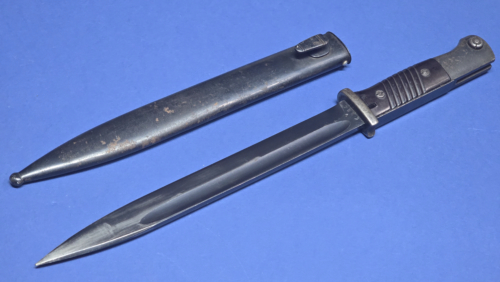
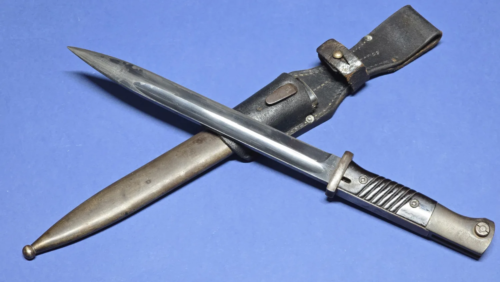
WW2 German K98 Bayonet – Mundlos – Dated 1939 – Near Mint Blade
£210.00 SKU: 0333MA very good example of the iconic WW2 German K98 bayonet, dated 1939 and manufactured by Mundlos. This is an honest, early-war bayonet that has a stand out feature, an exceptional, near-mint blade, retaining extensive original bluing. A very decent K98 bayonet.
Blade
An absolutely superb blade, easily the highlight of this bayonet. The blade remains unsharpened, finishing in a fine, pointed tip, with 98% of its original factory bluing still present to both faces. Serial number 7552 is stamped to one side of the ricasso, with 39 to the spine confirming the 1939 date. The reverse ricasso is stamped with the maker, Mundlos. Blade condition is near mint and hard to beat.
Hilt & Grips
Fitted with its original dark bakelite grips, which are in superb condition, showing virtually no wear and no damage. The grips are securely held by the two original screw bolts. The rifle retaining button is fully functional and stamped with a Waffenamt stamp, with two further Waffenamt inspection stamps present to the top of the pommel. The flash guard is undamaged, showing no indentations, and retains a good amount of original bluing.
Scabbard
The steel scabbard is in excellent condition, free from dents or structural damage, and retains the majority of its original blued finish, with only light surface rust present. The front is numbered 9567, which does not match the bayonet. The reverse is stamped with the maker J.O.S. Corts Sn and dated 1938. This example features an aluminium rivet, correctly peened and showing consistent age, rather than the more common steel throat screw, we normally see. The blade fits the scabbard smoothly.
Overall
A very attractive early-war German K98 bayonet with a truly outstanding blade. While the scabbard is non-matching, the condition of the piece still makes it very collectable and suited for collectors who prioritise blade condition.
Historical Note
The K98 bayonet was standard issue to the German Wehrmacht throughout the Second World War. Early examples such as this 1939-dated Mundlos bayonet often display higher finish quality and strong acceptance markings, reflecting early-war production standards.
We sell to the USA, Europe, and most worldwide destinations.
All items are securely packed for safe transit.
-
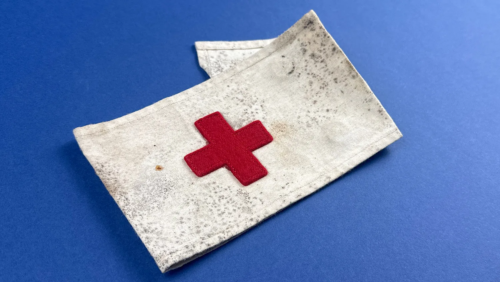
WW2 US Red Cross Medical Armband – Plastic Buttons – Wartime Issue
£25.00 SKU: 0134AThis original WW2 United States medical armband is a wartime reversible example, produced for use by American medical personnel and Red Cross–affiliated staff during the Second World War. Constructed from plain off-white cotton drill, the armband features a sewn red felt cross on one side and a stitched red outline cross on the reverse, allowing it to be worn either way depending on circumstance or role. This reversible design is characteristic of American wartime manufacture and is far less commonly encountered on British equivalents. The armband fastens with two original plastic buttons and a series of buttonholes, providing adjustability to fit over uniforms, jackets, or heavier outer garments. When laid flat and undone, the armband measures approximately 16 inches in length, consistent with US wartime patterns designed for universal fit. Examples of this type were worn by US Army Medical Department personnel, medical orderlies, and Red Cross staff, both in training environments and operational settings. Unmarked examples such as this are typical and should not be seen as unusual. The armband remains in original, used condition and shows scattered age-related spotting and staining to the cotton fabric on both sides, consistent with wartime use and long-term storage. The felt cross remains securely attached with intact stitching, and the reverse outline cross is clearly visible. All buttonholes are present, and both plastic buttons remain firmly in place. No modern repairs or alterations are evident. -
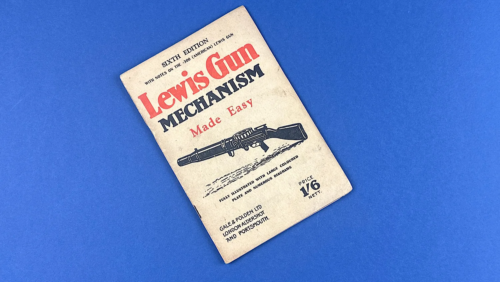
This original copy of Lewis Gun Mechanism Made Easy, published by Gale & Polden Ltd., is a well-regarded interwar–early WW2 instructional booklet intended to explain the internal workings of the Lewis Gun in a clear and accessible way. Issued in multiple editions, this Sixth Edition reflects the continued use of the Lewis Gun during the late interwar period and into the early years of the Second World War, including by the Home Guard and auxiliary units. Rather than focusing on drill or firing practice, this booklet concentrates on the mechanical principles of the weapon, guiding the reader through the function of its major components, gas system, feed mechanism, and operating cycle. It is fully illustrated throughout and includes notes on the .300 (American) Lewis Gun, making it relevant to units equipped with both British and U.S. pattern weapons. This example retains its original soft cover and remains complete, including the desirable fold-out coloured plate illustrating the Lewis Gun mechanism—an element frequently missing from surviving copies. Showing only light age-related wear, the booklet is structurally sound and presents very well overall. The cover is intact, showing no signs of coming off any time soon. There are also a list of dates (see photos) on the inside too, citing when this book was first published (January 1919) but more importantly, when this edition was published; November 1940. Below this, s another date of 1941 for this specific volume. An excellent companion piece to The Complete Lewis Gunner, this booklet is ideal for collectors of early WW2 small-arms manuals, Home Front training material, and Gale & Polden publications, and represents a particularly clear and informative period guide to one of Britain’s most recognisable machine guns.
-
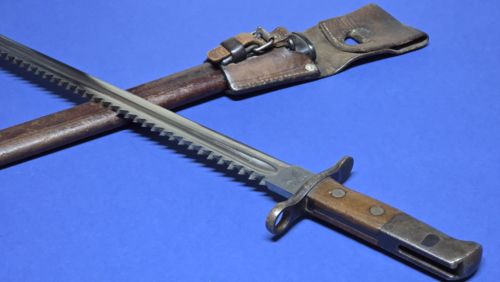
An early Swiss sawback bayonet of the Model 1906 pattern, often associated with the later M1914 variation, and made for the Schmidt-Rubin Model Rifles. This example represents the scarcer early configuration, retaining its original brown leather scabbard rather than the more commonly encountered steel variant.
This is a military-issued example, confirmed by the serial number stamped to the crossguard, and remains a fine demonstration of Swiss precision manufacture.
Hilt & Grips
The bayonet is fitted with attractive walnut grips, showing natural variation in tone, with one side slightly lighter than the other. The grips are secured with flush rivet heads and display excellent fit and finish.
The bird’s head pommel and crossguard retain visible remnants of their original factory bluing. The rifle retaining button is fully functional and operates exactly as intended. The crossguard is stamped with the serial number 108346, and the underside bears the small stamped Swiss military cross.
Blade
A highly impressive sawback blade with 32 sharp cut teeth. The blade remains bright and clean, with the fuller present on the right side only for weight relief. The edge appears to retain its original factory sharpening, with no evidence of later reworking.
Condition is excellent overall, with only minor areas of light staining consistent with age. A strong, crisp blade that has clearly seen very limited service.
The blade is maker-marked Waffenfabrik Neuhausen, the well-known Swiss arms manufacturer responsible for a wide range of military edged weapons.
Scabbard
The original brown leather scabbard shows honest service wear to the leather, but all stitching remains tight and intact. Both the upper and lower scabbard fittings retain the majority of their original factory bluing. The lower fitting is secured by three rivets, as correct.
The bayonet fits the scabbard perfectly, with a snug and secure seating.
Frog
The bayonet is accompanied by its original leather frog. The leather remains strong and supple. To the reverse is a boxed Swiss military cross stamp with “SCH” beneath, along with an additional oval stamp near the bottom, the details of which are too faint to read. The frog also bears the stamped word “Ausschuss”, as found on some Swiss military leather equipment.
Overall
A superbly engineered Swiss military bayonet, representing the scarcer early leather-scabbard configuration. A quality piece throughout, combining excellent condition, strong markings, and desirable sawback blade.
Historical Note
Swiss bayonets of this period are renowned for their precision manufacture and conservative design philosophy. Early leather-scabbard examples of the Model 1906 / M1914 pattern are encountered far less frequently than later steel-scabbard variants, making this a particularly appealing example for the collector.
We sell to the USA, Europe, and most worldwide destinations.
All items are securely packed for safe transit.
-
WW2 German K98 Bayonet – Matching Numbers – FNJ – 1941 – Frog
£260.00 SKU: 0330MA solid, honest WWII German K98 bayonet with matching numbers to the blade and scabbard, produced in 1941 by fnj (Alexandra Koppel & Co.). The piece presents well with its original Bakelite grips, clear markings and a strong condition wartime frog. The blade has seen sharpening, which is reflected in the price.
Blade
The blade retains much of its original bluing and remains straight with a clean point. It has been sharpened at some stage, typical of a field-used bayonet, and this has been taken into account when pricing. The ricasso carries the matching serial number 2887.
The reverse of the blade is stamped 41 fnj, confirming the date 1941, and manufactured by fnj (Alexandra Koppel & Co.) a well known manufacturer during this period. Despite the sharpened blade, it still displays well, and is better than most.
Hilt & Grips
Fitted with dark Bakelite grips showing only light wear, and secured by two screw bolts. The pommel displays the two usual Waffenamt stamps, and the rifle release catch operates properly, also showing a further Waffenamt stamp on the button. The flash-guard is in excellent condition, and free from any indentations.
Scabbard
A clean wartime scabbard with no dents or structural issues.
The front is stamped with the matching serial number 2887, and the reverse is marked 41 fnj, pairing correctly with the blade.
The lower ball carries a Waffenamt stamp, and the throat screw is present.
The blade fits the scabbard snugly, as expected from a true matching set.
Frog
A very good wartime frog with all stitching intact, with the leather being strong and flexible. The rear is maker-marked to Adolf Bockemühl, which is always a bonus, as most maker-marks on frogs are hard to read, due to wear and age. All four rivets are intact, although two have lost their small front caps, but the rear sections remain firmly in place. A very good condition maker-marked leather frog.
Overall
A respectable matching-numbers K98 bayonet from 1941, with strong markings, good grips, a sound scabbard and an excellent wartime frog. The blade sharpening is the only drawback for some collectors, but overall, a very decent K98 bayonet.
Historical Note
By 1941, the K98 bayonet was standard issue across all German fronts. Examples marked fnj 41 represent mid-war production by Alexandra Koppel & Co., and surviving matching-number sets have always been very sort after.
We sell to the USA, Europe, and most worldwide destinations.
All items are securely packed for safe transit.